



PeerJ retracts study that secretly observed tourists’ reactions to snakes
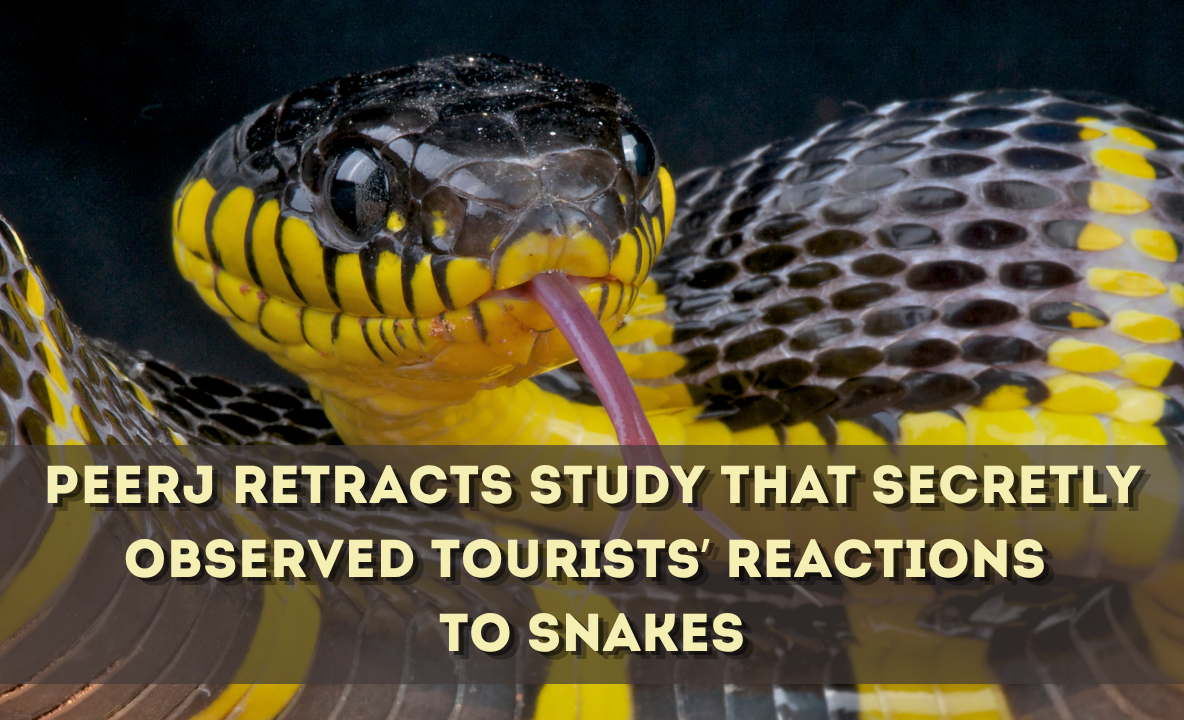
The journal PeerJ has retracted a study that attempted to capture tourists’ “authentic responses” to venomous snakes by putting plastic models and dead vipers around popular hiking destinations and secretly watching how people reacted to the encounters.
Study author Angel Valentinov Dyugmedzhiev of the Bulgarian Academy of Sciences assessed their reactions from a few meters away and never interacted with any of the participants so as to avoid “direct interference in the experimental setup,” he wrote in the paper, published June 23, 2026. When tourists discussed the snakes among themselves, he recorded whether they correctly identified the species and whether they realized the viper was either dead or a model. The study found most tourists didn’t spot the vipers, and only a small number of them showed strong fear toward them. The paper stated the Institute of Biodiversity and Ecosystem Research Ethics Committee had approved the methodology.
The journal put an expression of concern on the paper on Aug. 4, 2026 after having been "made aware that there are concerns regarding the ethical oversight of this study". Following an investigation, the journal determined "the ethical approval was not, in fact, in compliance with PeerJ requirements" and retracted the study on August 21, 2026.
Source https://retractionwatch.com/2026/09/10/peerj-snakes-vipers-retraction-ethical-concerns/
Another high-profile case has interested scientists. Read now



ен.jpg)